Solar Photovoltaics (PV)
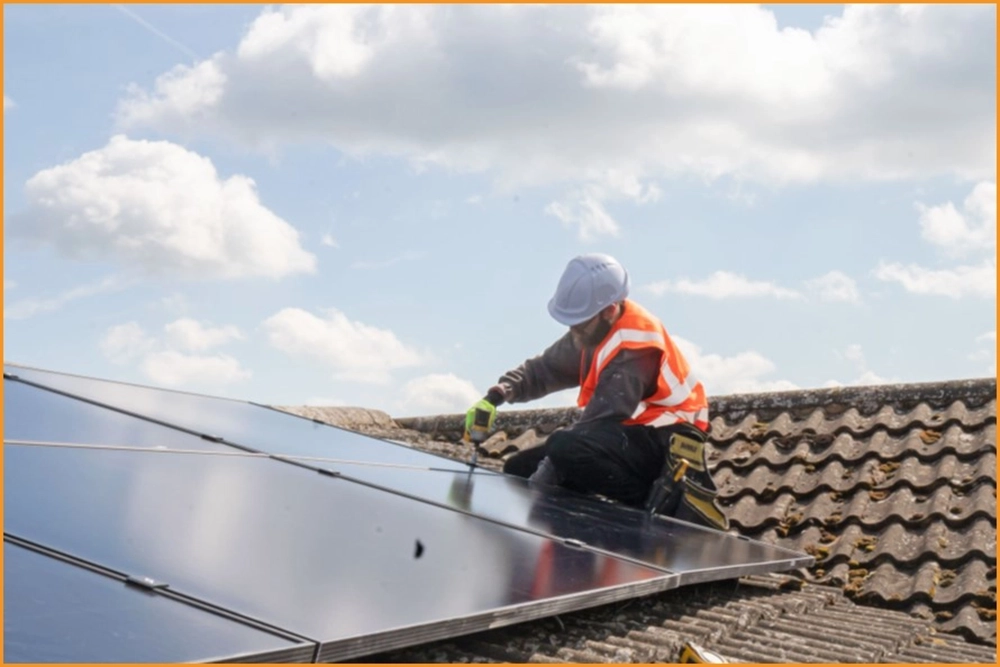
Solar PV uses panels/cells to convert sunlight into electrical energy. The installation of solar PV will save money on electricity bills in the long run, however many solar panel systems generate more electricity than is needed to power the home, which can be sold back to the grid.
To maximise the benefits of a solar panel system, including the amount of electricity the panels generate on your roof, there are a few factors to consider including orientation, angle/pitch, shading and size of the roof – these are all taken into account during your survey. Solar panels can normally be installed within one day. Solar PV works most efficiently under clear, sunny skies, however they produce electricity even on cloudy days.
Air Source Heat Pumps (ASHP)
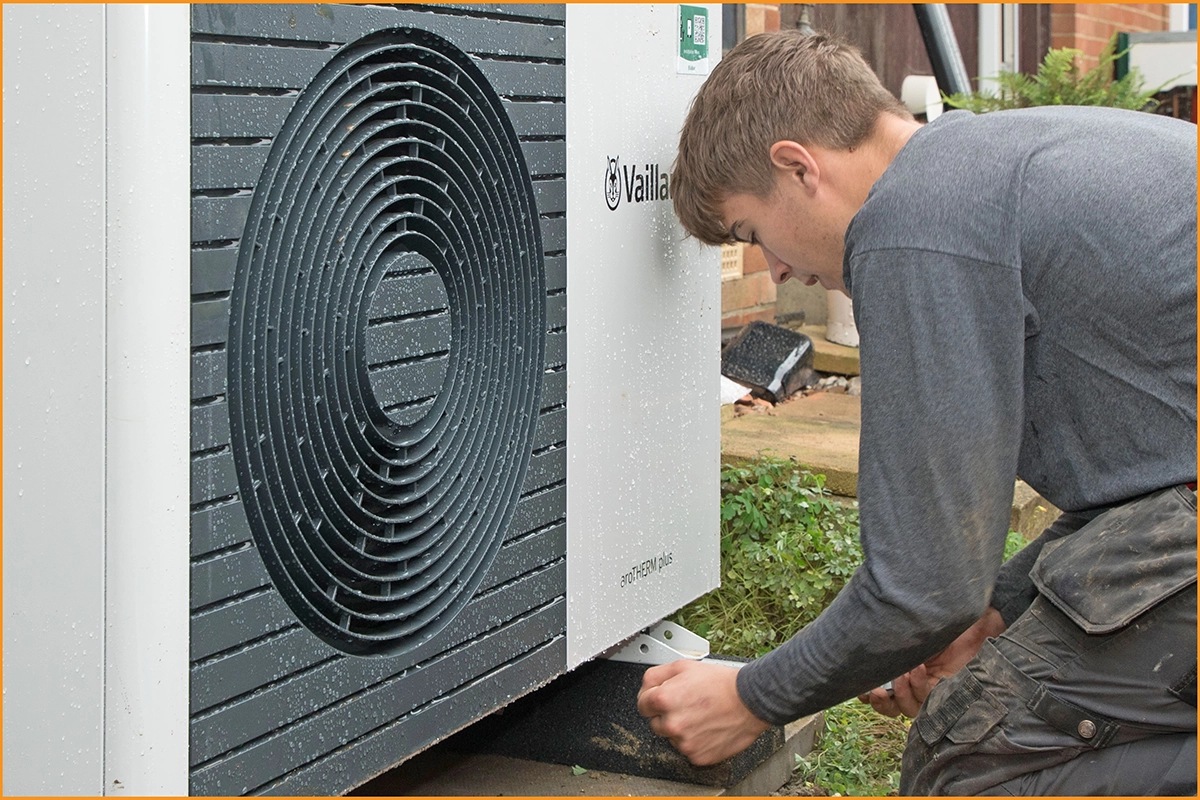
Air source heat pumps (ASHP) work by absorbing heat from the outside air and then transferring that heat into a home’s water or heating system. For optimum efficiency it is important to make sure your home is adequately insulated. Insulation measures, such as cavity wall and loft insulation, will reduce the heat loss from your home and maximise how effective an air source heat pump will be.
The UK Government Boiler Upgrade Scheme can provide grants of up to £7,500 (as at March 2024) to households across England and Wales, to help homeowners exchange their traditional heating for a low-carbon alternative such as an ASHP or ground source heat pump.
Solar Battery Storage
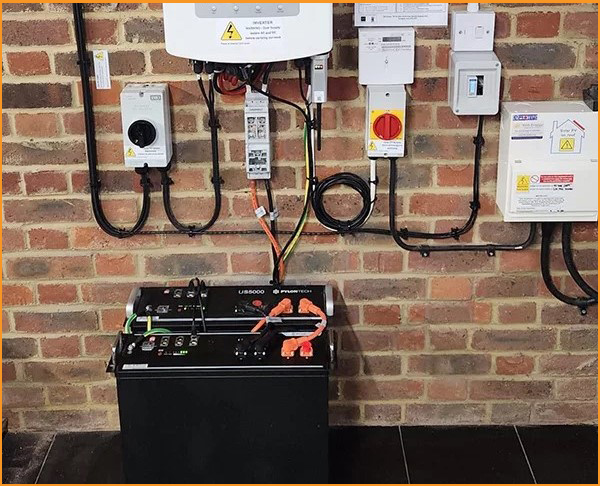
Depending on how you use your electricity, it may be beneficial to install battery storage alongside your Solar PV system. A battery allows you to store excess electricity generated by your solar panels during the day, rather than sending unused energy back to the grid.
The stored electricity can then be used later when your Solar PV system is generating less energy, such as in the evening or overnight. This can help you make greater use of the renewable energy you generate yourself and potentially reduce the amount of electricity you need to purchase from the grid.
Battery storage can be particularly useful for households that are out during the day and use more electricity in the evenings, when Solar PV generation is typically lower. It can also give you greater flexibility over how and when you use the energy your system generates.
When assessing your property, we can consider your household's electricity usage alongside the size and expected generation of your Solar PV system to help determine whether battery storage could be a worthwhile addition to your installation.